

If It Could Happen to James, It Could Happen to Any Man: What We Can Learn From The Worst Kind of Tragedy

No alternative text description for this image

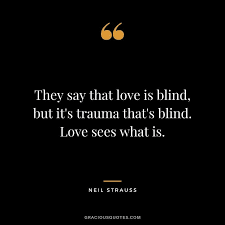
“I wish that people could understand that the brain is the most important organ in your body. Just because you can’t see it like you could a broken bone doesn’t mean it’s not as detrimental + devastating to a family or an individual”

Demi Lovato

Episode 5 of The School of Success Podcast Series is one of the most powerful and moving conversations I’ve ever had. This inspiring interview with Clare Milford-Haven, aristocrat, ex-Tatler journalist, polo player + co-founder of @jamesplaceuk, gives deeply personal insight into the tragic loss of her beautiful son, James, to suicide.

In this episode, Clare explains:
– what triggers depression + suicidal crisis;
– what type of person feels suicidal;
– why men are particularly vulnerable;
– signs + symptoms of mental illness;
– how James’ Place helps support suicidal men +
– why those most at risk may be the last people you expect

This is for you if you have an interest in what it is to be human – happiness, sadness, chance, adversity + everything in between. It’s also for you if you have men in your life you care deeply for whether father, brother, son, friend, boyfriend, husband or otherwise.

This powerful tale of the Harrow educated, polo playing, life + soul of the party, James, bears poignant testimony to the complexity of happiness + the fragility of mental health, no matter how fortunate you are.

If it could happen to James, it could happen to anyone.

Click on this link to listen. You might just save a life 💙

https://lnkd.in/eaWhBukq

Why My Brother’s Death at 23 Taught Me That Courage is the Most High-Performance Habit of the Lot

Screenshot 2026 01 23 at 15.00.23


“Courage is the complement of fear. A man who is fearless cannot be courageous”

Robert A Heinlein


I have a confession.


While many of us have felt it, I sometimes struggle with people who doggedly refuse to move from victim mindset + are unwilling to do anything differently. Obviously, mental illness can keep us there, which is truly hard.


I recognise I may be a bit intolerant having seen my 22 year old brother choose courage at the worst of times – untimely death.

Nobody Googles ‘Glioblastoma’ + comes away feeling hopeful. Ironic the ‘my brother died of a brain tumour’ line is a conversation stopper because his defiance in the face of adversity made it hard for us to view him as anything but inspiring, radically altering the course of my life for the better.


Courage is a powerful thing – especially when the stats tell you you’re f*cked + hope, for all intents + purposes, is lost.


But that’s the magical thing about courage.


It’s truly metaphysical, uniting improbable points of likeness like strength in suffering, bravery in hopelessness + humour in adversity, in the most breathtaking ways.


It finds hope in the hopeless, inspiring life’s Greats to do their highest work on Earth – the most inspiring of whom usually have real reason to be victims – the Nelson Mandela’s of Apartheid, The Viktor Frankel’s of the Holocaust + the Martin Luther King’s.


A few days’ before my brother’s death, he wrote my sister + I a letter oozing a courage that blew my mind: ‘Obviously I’m a bit narked because I thought we could win, so now we have to reassess winning + how we define that’.


w o w


That’s the thing about courage – it takes your breath away – because it’s grit + defiance that flies in the face of fear –

+ you never really know it’s there until the sh*t hits the fan.


In truth, Matthew had always been a bit special, with an understated charm + charisma that lit up rooms – but none of us were prepared for how he made suffering his crowning glory.


Even in his darkest hour, he found the courage to reframe the hopelessness of tragedy: ‘Cancer need not be the epilogue, in many ways it can be the introduction to a richer life of wisdom’.


Towards the end of his letter to his little sisters, my twin + I, he wrote: ‘So we need to have a lot of fun (underlined) over the next few months or so’ (before signing off with an Austin Powers quote).


I’m privileged to see courage daily in my career + life coaching clients – who are, by definition, deeply courageous, seeking the magic hidden in stress. They inspire me daily.


So when life feels impossible, remember, courage isn’t the absence of fear, it’s defiance over fear. As Maslow says: ‘One can choose to go back toward safety or forward toward growth. Growth must be chosen again + again; fear must be overcome again + again’.


So when you wobble, remember, there is purpose in pain. As Freud said:


‘Pain has nothing to teach those who don’t find the courage + strength to listen to it’.

Coaching: What is it + Other FAQs

“I absolutely believe that people, unless coached, never reach their maximum potential” – Bob Nardelli, ex-CEO of Home Depot


Here are a few FAQs about coaching that future career and life coaching clients often ask me about on Discovery Calls:

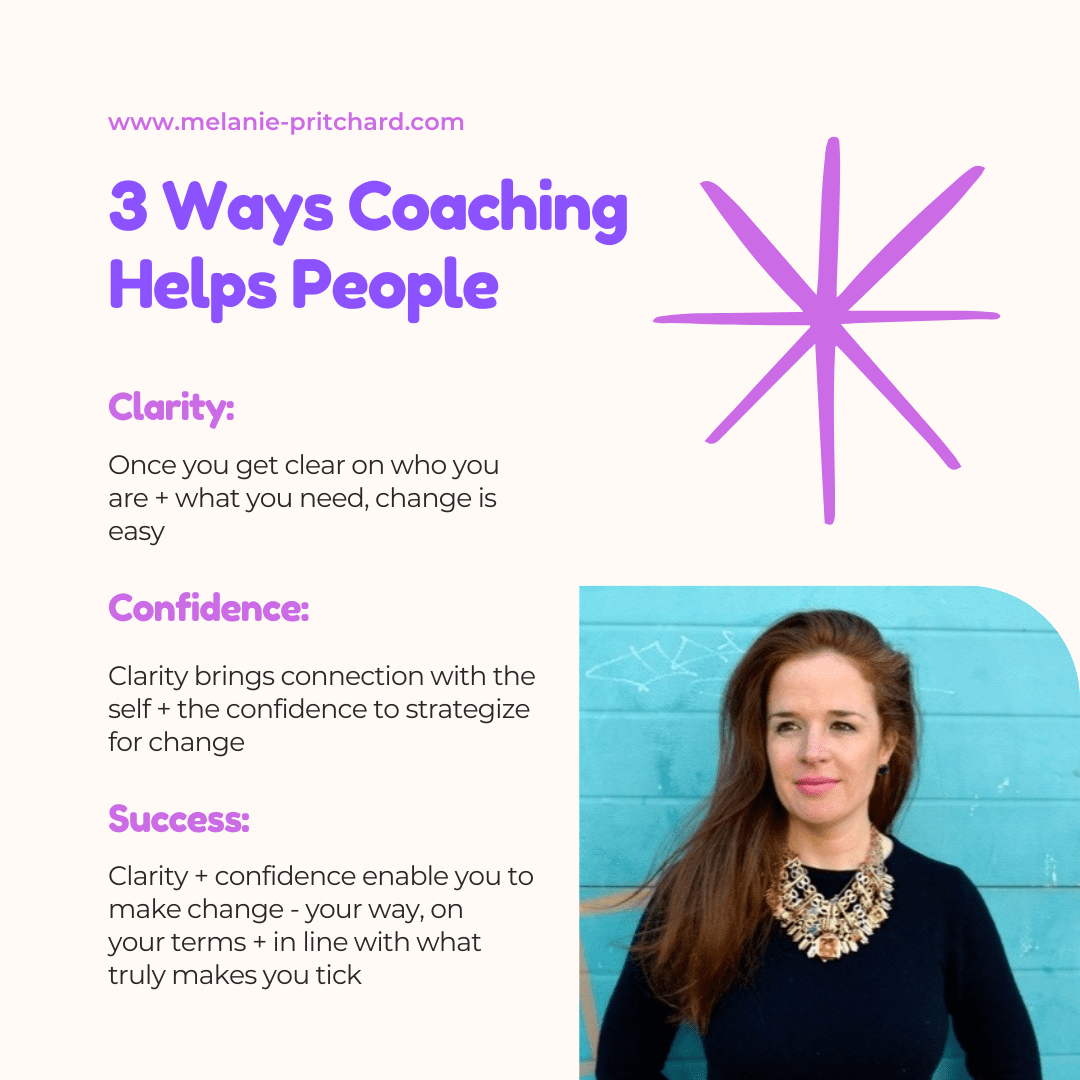
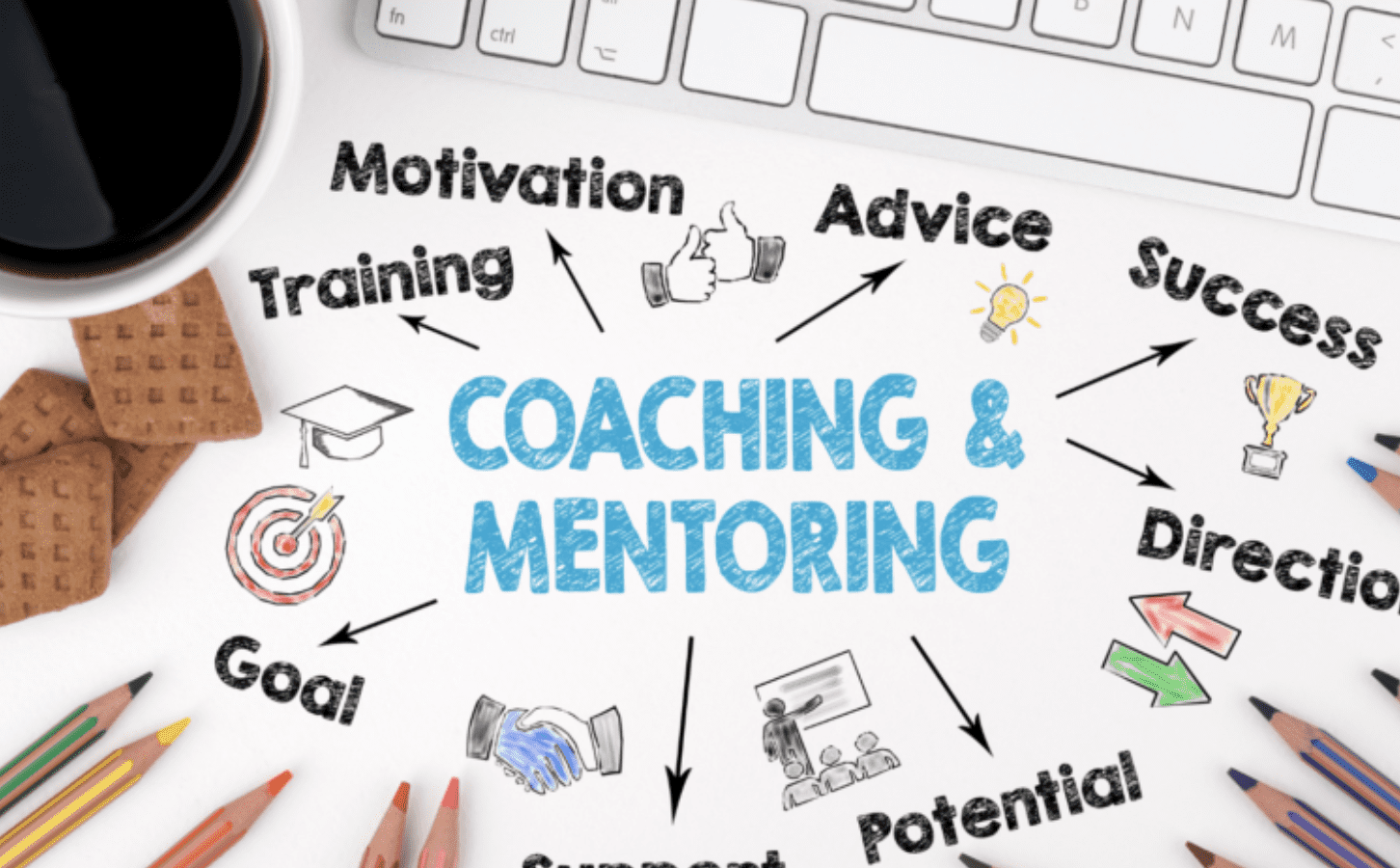
⚡️ Coaching is a future focused, goal orientated process that helps you move from where you are now to where you want to be
⚡️ A coach is a facilitator, asking you questions to help you connect to who you are and what you need to be happy. From that space of clarity, change is a whole lot easier
⚡️ Coaching connects you to your true self – it helps peel back the ‘shoulds’ you grow up with that often signal a misalign with the true self and zooms in on the wants, the true energisers that motivate and excite you, whether your values, your strengths, your passions or your purpose
⚡️ Coaches don’t fix your problems like some magical wise owl – nor do they tell you who you are and what you should do. Instead, coaching empowers and helps you find the clarity and confidence required for change
⚡️Coaching clients are often initially stressed, confused, apathetic, frustrated, bored or overwhelmed but coaching helps change this fast – this may involve simple mindset mastery hacks and tools that dislodge limiting beliefs and thinking traps that keep many of us stuck, even the most outwardly ‘successful’ people on six figure salaries with mortgages that make your eyes water 🚿
⚡️While therapy helps explore emotions, some of which may keep us entrenched and stuck, coaching leverages emotions as a springboard for tangible change whether in your life or career. It’s about small steps and actions towards bigger changes that expedite true happiness and fulfilment whether landing your dream job, learning the formula for having difficult conversations, integrating new ways of managing unhelpful thinking traps that spike stress or achieving any kinda goal 🥅 (note, this may have included love triangles..)
⚡️Last but not least, for coaching to be successful you must want change. It doesn’t matter if you’re unsure if it’s possible or just damn sick of the pain of staying the same, you must want to upgrade your life ⬆️

If that sounds appealin’, get in touch for a free discovery call here!

Career Success Story: Overwhelm to Clarity & Fulfilment

website

“Attention energises, intention transforms” – Deepak Chopra 💫

I can’t take much credit for my clients’ transformations because as Deepak alludes to above, magic happens when you create space to explore how you really feel and what that reveals about your unmet needs. When you get clarity on that, you have what I call your Roadmap to Happiness ~ and from there, you’re away.

Ailsa was a talented Creative with snazzy brands all over her CV when we first met. However, under her slick image and sexy LinkedIn profile she wasn’t feeling happy or fulfilled and was worried that she was becoming depressed.

She feared she was beyond help in her confusion.

As is so often the case, the reverse was true.

She was a frustrated powerhouse of a human with an X-Factor personality to boot.

Within 2 sessions, she was fizzing off the wall like a human Haribo with the kind of clarity and passion that shoots rockets into space.

It was a joy to behold – and not a-typical to see this kind of energy surge after session 2 where we clarify a client’s values (the things we need to be connecting with to feel truly fulfilled).

Even if one leading value isn’t met eg work life balance / innovation, it can leave you feeling quite out of sorts.

Her success reflects her hard work and resilience.

She showed up.

She dug deep.

She was brave enough to acknowledge she was confused, frustrated and fast becoming the kind of girlfriend she didn’t want to be.

That space in between is a vulnerable place to sit. It’s uncertain, it’s the grey zone and it’s frosted with fear.

It takes courage to dig deep and take a step upwards towards truth versus downwards towards the ‘should’ led world of ego, illusion and outward box-ticking, where you may seem impressive but your soul is starving inside.

As ever, emotions are signals that light our path to happiness if we know how to interpret them.

I’m just a vessel to support that magical journey.

And boy is it a sight to behold intense growth, self-awareness and self-actualisation in such a short space of time.

So please trust me when I say, there’s clarity beneath confusion, there is power amidst vulnerability and there’s huge potential for deep fulfilment if you have the courage to get curious in the space in between.

In the stunning words of Viktor Frankl, the Austrian psychiatrist and Holocaust survivor:

“Between stimulus and response there is a space. In that space is our power to choose our response. In our response lies our growth and our freedom” ☁️

————————————–

Want to learn more?

Book in a free discovery call to learn more about Life / Career Coaching or Corporate Success Masterclasses 🥂 www.melanie-pritchard.com

3 Ways Coaching Helps People

Beige Minimalist 3 Top Tips Plant Based Diet for Beginners Instagram Post 3


“Attention energises, intention transforms” – Deepak Chopra 💫

Ever wondered why you’re unable to make change despite feeling frustration, boredom, anxiety or depression about your current life?

Here’s why 🤫

To make any big change in your life, you need to do more than recognise discomfort – you need to create the time, space and resources to get real clarity. From there, change becomes easy.

Ever wondered why people telling you what you should do rarely works? Because sometimes it comes more from a place of projection, protectiveness and bias than objectivity and real listening – truly sitting in the moment with you and really hearing what lies beneath is usually quite different, leaving you feeling heard, understood and pumped to uplevel your life.

This is exactly what I thought coaching wasn’t when I first started out. Honestly, I was hoping it was a quick fix involving talking to a wise owl who could help me cut corners and expedite change fast.

I couldn’t have been more wrong.

When I heard it was being guided by the coach asking a series of questions to help me work out who I was and what I wanted, I thought it sounded like hot air.

Then we started practising coaching – and I ate my words fast 🤭

I quickly realised helping someone connect to who they truly are and what they truly want versus telling them what they should do, is where the magic happens.

I see this kind of magic happen daily with clients – whether midwives moving into project management, financiers moving into consulting, lawyers moving into coaching or graduates moving into advertising and beyond.

It’s not rocket science, but boy does it work.

As a wise friend on Mindline once said, really active listening is like developing a sixth sense.

So I say again – attention energises, intention transforms. Finding space to be truly heard and to deconstruct what’s really going on for you is an essential component to creating the intention required for change.

So if you’re feeling misaligned with your life or career, what’s stopping you from booking a free discovery call here?

And if you’re still feeling stuck, remember, nothing changes if nothing changes 💫

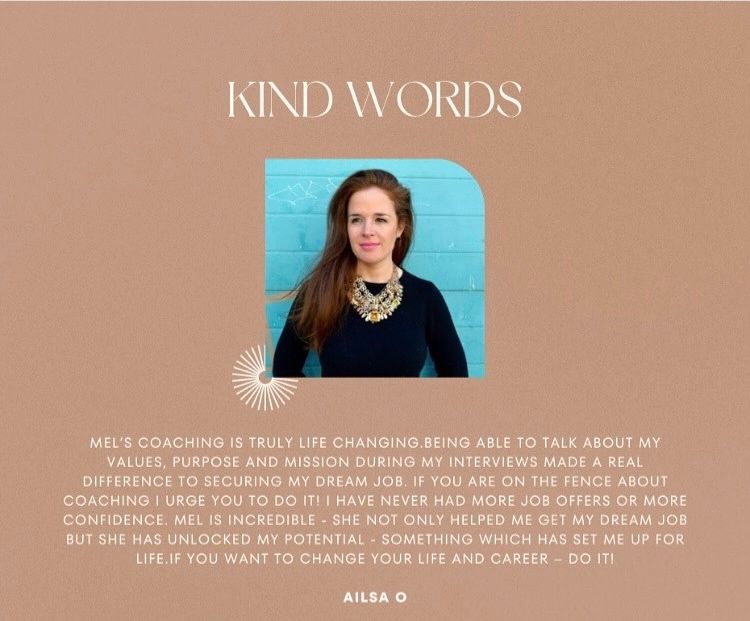
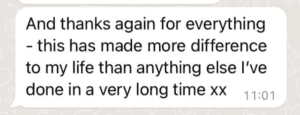
Still unsure? Here’s what a lovely client, Melanie Hartley said: “Coaching with Mel has been the most valuable investment I’ve ever made in myself”.


Married to Trauma: Loving a Victim of Childhood Trauma

Adult survivors of childhood abandonment and complex trauma abound in our society. Theirs is a sad reality shrouded in the darkness of shame that keeps their experience locked away only to be known by their volcanic overreactions or quiet avoidance that are triggered by present-day cues. They are our sisters, fathers, spouses, etc. They live fenced in by crippling fear and loss of identity stolen at such a young age. They’ve developed and matured as we all do, driven by survival and attachment, the same instincts they came into the world with, the same instincts that gave them a fighting chance at survival. However, the other component necessary for reaching potential, the social environment, was not favorable. It seemed as if this third ingredient almost wanted their destruction from the very beginning as if they were not meant to be alive in the first place. This environment, or soil, if you will, would go on to nurture beliefs deep in the psyche of the individual. These beliefs would become infused with the person’s sense of self, and so they would live out those beliefs as if they had to. They would live out those beliefs in ever reinforcing and destructive consequences. Those consequences reinforce a dark world view and a sense of self-value that is worthless. They live in a reality that holds no possibility for hope. Each day they walk past choice and opportunity only to choose what is familiar.

Read the rest of this superb article here. There’s a surprisingly positive twist!

The Surprising Reason Coaching will Change your Life

Screenshot 2023 08 03 at 14.18.22

“Attention energises, intention transforms” – Deepak Chopra

Ever wondered, like the legal client below before we worked together, why you’re unable to make change despite feeling frustration, boredom, anxiety or depression about your personal or professional life?

Here’s why..

To make any big change in your life, you need to do more than recognise discomfort – you need to create the time, space and resources to get real clarity. From there, change becomes easy.

Ever wondered why people telling you what you should do rarely works?

Because sometimes it comes more from a place of projection, protectiveness and bias than objectivity and real listening – truly sitting in the moment with you and really hearing what lies beneath is usually quite different, leaving you feeling heard, understood and pumped to uplevel your life.

This is exactly what I thought coaching wasn’t when I first started out. Honestly, I was hoping it was a quick fix involving talking to a wise owl who could help me cut corners and expedite change fast.

I couldn’t have been more wrong.

When I heard it was being guided by the coach asking a series of questions to help me work out who I was and what I wanted, I thought it sounded like hot air.

Then we started practising coaching – and I ate my words fast..

I quickly realised helping someone connect to who they truly are and what they truly want versus telling them what they should do, is where the magic happens.

I see this kind of magic happen daily with clients like the lovely client in the quote below who found coaching more powerful than years of therapy, management consultants sick of toxic work environments, midwives tired of emotions to financiers and creatives ready to change their personal or professional lives.

Screenshot 2023 08 03 at 14.10.52

As a wise friend on Mindline once said, really active listening is like developing a sixth sense and it should have a profound effect on the client.

So I say again – attention energises, intention transforms. Finding space to be truly heard and to deconstruct what’s really going on for you is an essential component to creating the intention required for change.

So if you’re feeling misaligned with your life or career and are seeking greater fulfilment, joy and inspiration in your life, what’s stopping you? As Einstein said: “Insanity is doing the same thing over and over and expecting different results.”

I have a very small number of complimentary coaching discovery call slots remaining before Christmas if you’d like to hear more about how coaching could help change your personal or professional life, so if you’re sick of the status quo and want to start next year with a new lease of life, get in touch here.

Disclaimer: If you don’t want results, this won’t be for you!


Relationship Anxiety: What Causes it and When You Really Need to Worry!

Relationship anxiety: 15 signs you have it and how to handle it

‘Discomfort is the price of admission to a meaningful life’ – Susan David PhD

Hands up if you’ve ever felt doubt, insecurity or the need for reassurance in a relationship? Cue all of us.

What causes relationship anxiety and when do you *really* need to worry?

What’s the difference between helpful and unhelpful anxiety in relationships?

How does relationship worry show up?

And how can we handle it?

I coach many life coaching clients on relationship pain-points whether work-related or romantic – in fact, it’s a favourite topic of mine, dealing with themes that go to the heart of what it is to be human – confidence, self-esteem, identity, values, communication, happiness, success and beyond.

The cost of poor quality or broken relationships is high, which is why it’s so rewarding teaching clients simple tools to overcome relationship challenges to minimise breakdown and optimise happiness.

A recent client mentioned the varied (mainly negative) advice she’d received from friends around her potentially impending divorce and one thing struck me – a real lack of balance, objectivity and hopeful guidance.

I saw something different to ‘let’s expedite the divorce’ / ‘what a d*ck’ / ‘things have ruptured so it’s game over after nearly 20 years’.

Underneath the anger and acting out was simply a breakdown in communication, a lack of tools around HOW to communicate effectively and a disconnect from their own selves since becoming busy working parents. Yes, that’s a few blockers but pretty resolvable blockers if there are enough shared values and vision for the future.

This is where coaching can be pretty game-changing, bringing awareness and balance to complex situations untrained listeners may be naturally more inclined to judge from their own frame of reference. This is what we call projection (!) which isn’t always helpful when we need to be heard and we want to connect to the truth in a balanced, non-polarised way.

If you’ve ever felt anxious in romantic relationships, wondered whether this is normal and what the difference even is between good and ‘bad’ anxiety, read my article below in Women’s Health. There’s a game-changing magic trick for dealing with anxiety in there which is as miraculous as it is simple. To read about this and the full article in Women’s Health, click here.

And if you’re looking to uplevel your relationships, whether in work or love, drop me a message to book a free discovery call here – I regularly help clients like these with tips to gain the clarity and tools to optimise dating, their relationships and love lives!

What’s stopping you from creating a life you love?

#love #relationships #success #happiness #lifecoaching #career#communication #stress #mentalhealth #cbt

5 Top Tips for Becoming a Life Coach: What I Wish I’d Known Earlier

man raising arm at the top of the mountain victory and aspirat

Coaching offers the secrets to happiness most of my career and life coaching clients dream of: freedom, work life balance, creativity and the ability to be an entrepreneur and run your own business on your own terms. What’s not to love?!

Having coached and mentored many career coaching and life coaching clients keen to switch careers into coaching, here are some top tips most coaches to be are unaware of:

1. Choose the Right Coaching Course

Any course you spend money on should be seen as an investment rather than an expense. A high value course should be measured for the return on investment it provides versus the cost. The coaching course I did worked well for me because it offered the flexibility of online study and was well reputed because it markets itself extremely well with free weekend taster courses – but great marketing doesn’t equal great quality. I’ve since met many coaches and can clearly see some stand-out courses which cost a lot more money but which yield notably excellent returns in terms of skills, business tips and certification. So take the time to connect with well-established coaches with wide networks and ask them which coaching schools they’d recommend based on the coaches they’ve met. The right investment will pay dividends in terms of building your confidence, skills and future business.

2. Marketing is King

As I always say, a great coach without marketing is like a chateau without road signs. It doesn’t matter how gifted you are if people can’t find you. My personal path involved undertaking my coaching training and developing my coaching skills through a lot of free sessions, gathering client testimonials so I could build my future brand (website and blog) and writing articles on areas of interest around happiness, success and personal development. The truth is, this was an easy win as writing sets my heart a-flutter and sharing learnings from books I was reading and my own new experiences living in wonderful new places on paths less travelled, was an easy way to energise myself, consolidate key pearls of wisdom and build my profile as a personal development specialist. Much later, I turned my attention to marketing, such as writing articles for publications such as the Huffington Post, investing in PR, exploring search engine optimisation and creating a podcast to get more traffic to my website. Marketing is like a game — you’ve got to play the game if you want to create enough chemistry calls to make a living. For while coaching may meet those much sought after values such as freedom and work life balance, this isn’t much fun if you’re not earning enough money to make a living. With great testimonials and enough client enquiries, you can increase your prices and be sure to make what you need and more every month with the kind of freedom, stability and growth that, well, sets you free!

3. Work for Coaching Companies as a Freelance Coach

Once you’ve got enough coaching hours and great testimonials under your belt, it shouldn’t be too hard to secure freelance coaching as an associate coach. This is a really high results producing activity as it ensures you get clients funnelled to you without any marketing costs your end. The other major benefit is the business acumen you acquire from seeing how other coaching businesses operate. If you’d told me when I started coaching that I could easily sell 9 session career coaching packages to clients, I never would’ve believed you. I would’ve also found it hard to believe that I could even make £300 a month from coaching! Working for more established coaching companies has proven otherwise, teaching me powerful tools around effective marketing, how to conduct powerful chemistry calls to convert potential clients whilst boosting my confidence though coaching hundreds of clients across different industries and at different levels from undergraduates to trainees, associates, managers and CEOs.

4. Play to your Passions

Although people often speak about the importance of having a niche, I advise new coaches to start broad unless you’re sure what direction you want to take. If you know you’re nuts about nutrition and want to go hammer and tongs to train as a nutrition or health coach, go for it, as passion sells. But if you’re unsure, don’t corner yourself too soon. Instead, enjoy experimenting by working with a range of clients and getting curious about what you most enjoy. I worked with a real mix of people and noticed that career coaching clients naturally gravitated towards me because of my own career coaching journey from lawyer to life and career coach. I also realised that having worked across a range of fields from property and law to PR, journalism, copywriting, higher education and start-ups gave me unique insight into a range of careers that could benefit clients across a real breadth of diverse career sectors. I also realised that my journalism experience and First Class degree in English were superpowers other coaches may not have, helping clients with key pain points whether nailing CV’s, applications, cover letters and interviews to secure the jobs of their dreams. What are your unique strengths, experiences, passions and selling points? And how might these support the area of coaching that you could work in?

5. Carve out a Unique Selling Point

While coaching sounds like the killer career in terms of work life balance, freedom and making a difference, this also means it attracts a lot of people who want a piece of the cake. To ensure you stand out from the crowd, think about what your unique selling points are and how they can bolster your brand identity and origin tale. For instance, as a lawyer turned life coach, I have a unique selling point as a coach who has successfully traversed career change — particularly from the high stress, ‘always-on’ corporate world, to a more freedom filled, values-driven, coaching lifestyle. This story resonates well with professionals like lawyers and management consultants who can be a little snobby about who they work with. My creative strengths as a writer have meant that I leant into creating my own blog and writing on subjects that inspired my own personal development from how to take the stress out of online dating, to top tips for moving abroad (think London to Madrid and the French Alps), to how to master your mind and transform your life and career. My strengths as a writer separate me from other coaches and have helped me gain PR opportunities with publications like Grazia, The Financial Times, Huffington Post, Refinery29, Elephant Journal and Refinery29; this has paid dividends in boosting my gravitas as a commercial creative hybrid who specialises in helping a range of professionals who are confused about their careers find work they love!

What comes to mind when you ask yourself the above questions? Feel free to drop me your thoughts or queries here.

Executive Coaching: The Fortune 500’s Best Kept Secret

1520178794652

“For years, CEOs of some of the most successful and largest companies have relied on executive coaches. Henry McKinnell, CEO of Pfizer, Meg Whitman, CEO of eBay, and David Pottruck, CEO of Charles Schwab & Co., are just a few who rely on a “trusted adviser”

The Business Journal

Did you know that between 25 and 40 percent of Fortune 500 companies use executive coaches to help their leaders peak perform? I was surprised this figure was so high — not because I don’t understand why successful companies would invest in coaching for their CEO’s and C-Suite — but because it’s one of the best kept secrets around.

These clandestine connoisseurs described an average return of more than $100,000, about six times what executive coaching costs them. That’s the equivalent of six round the world business class flights.

But that doesn’t explain why savvy business leaders invest in something that sounds suspiciously like mumbo-jumbo.

Maybe because “executives and HR managers know coaching is the most potent tool for inducing lasting personal change”.

So what makes coaching so special?

The answer is simple.

It’s because of what it’s not.

Instead of being another top down programme forced on over-stretched employees, coaching empowers people to develop their own solutions to issues and goals, with a dash of mentoring thrown in. This increases the chances of action tenfold.

In other words, it’s the missing link to high performance leadership success.

So what are the benefits?

“Workers at all levels of the corporate ladder are enlisting coaches for guidance on how to improve their performance, boost their profits, and make better decisions about everything from personnel to strategy”.

Whether strengthening business development, presentation and leadership skills or facilitating target attainment and peak performance, coaching increases confidence, self-awareness and resourcefulness, bolstering company growth, profitability and market share.

But if, like some initially sceptical clients, you still think coaching sounds a little like hot air, you might change your tune when you learn:

The business demand for coaching is nearly doubling each year. Out of the $80 billion being currently spent on corporate education, FLI Research estimates that $2 billion is spent on executive coaching at senior executive levels in Fortune 500 companies.

Not only that:

IBISWorld research reports that the size of the US and UK corporate wellness industry is now more than $8bn — and growing.

If you’re still not convinced, that’s ok. I had to see it to believe it myself.

But when I did — let me tell you — the idea of being a hot shot lawyer became far less appealing than helping professionals transform their lives and businesses.

Want to find out more? Book a discovery call with me here.

hi there.
i'm delighted to
have you here!

To join the Community for Insider Access + a Monthly Newsletter full of advice + inspiration, just hit the button below!

Remember, you don’t have to get it perfect, you just have to get it going.

Warmly,

Melanie